
Science
Why Most Drugs That Enter Clinical Trials Never Reach Patients
Only a small fraction of medicines that start human testing ever make it to a pharmacy shelf, and understanding why reveals what clinical trials are really designed to catch.
Research breakthroughs and the lab-to-market pipeline.
Only a small fraction of medicines that start human testing ever make it to a pharmacy shelf, and understanding why reveals what clinical trials are really designed to catch.
Radiocarbon dating only covers a narrow slice of Earth's history and only works on certain materials, so scientists rely on a toolkit of other dating methods to fill the gaps.
Radiocarbon dating lets scientists put an age on ancient bones, wood and charcoal, but the method rests on assumptions that only hold within certain bounds.
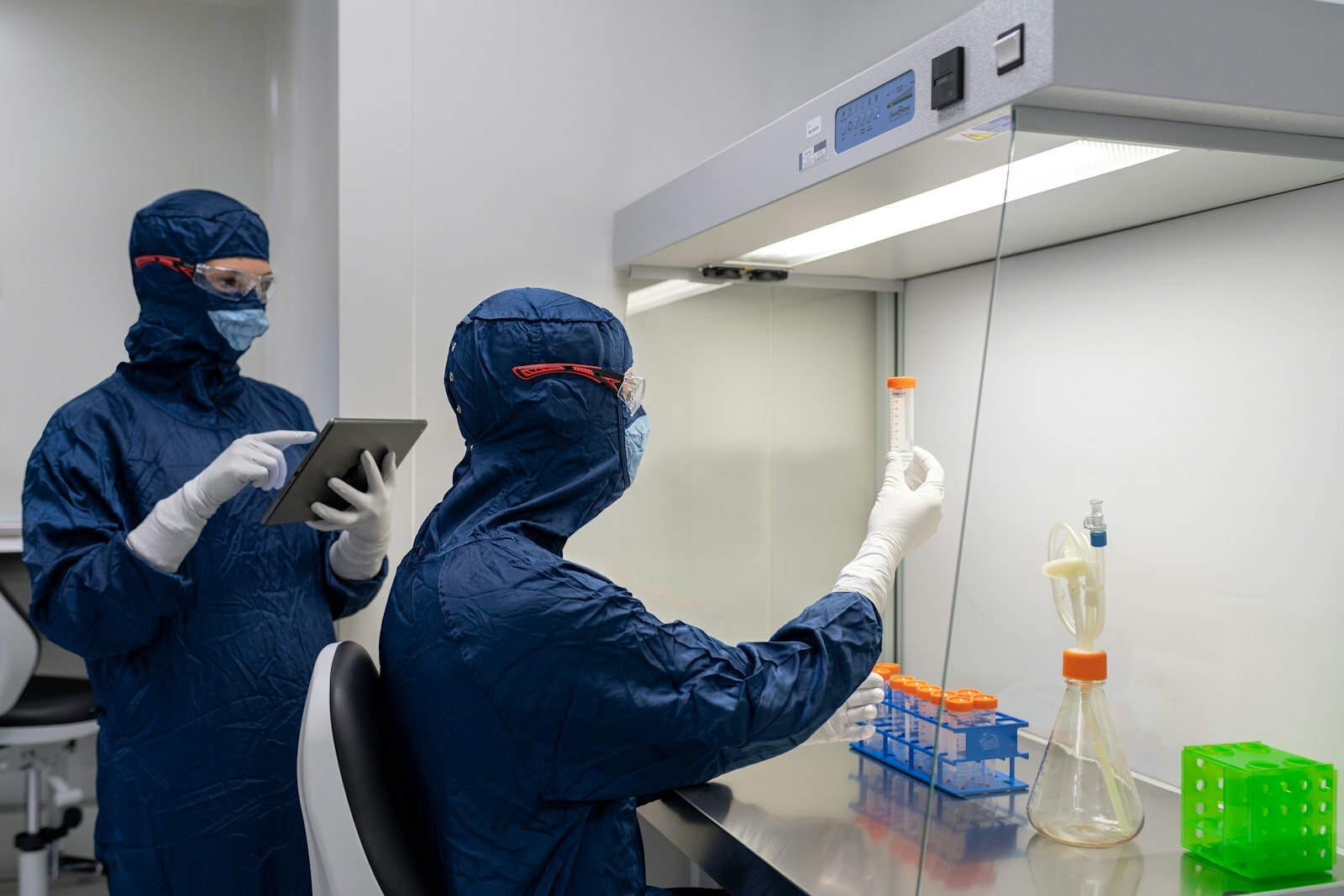
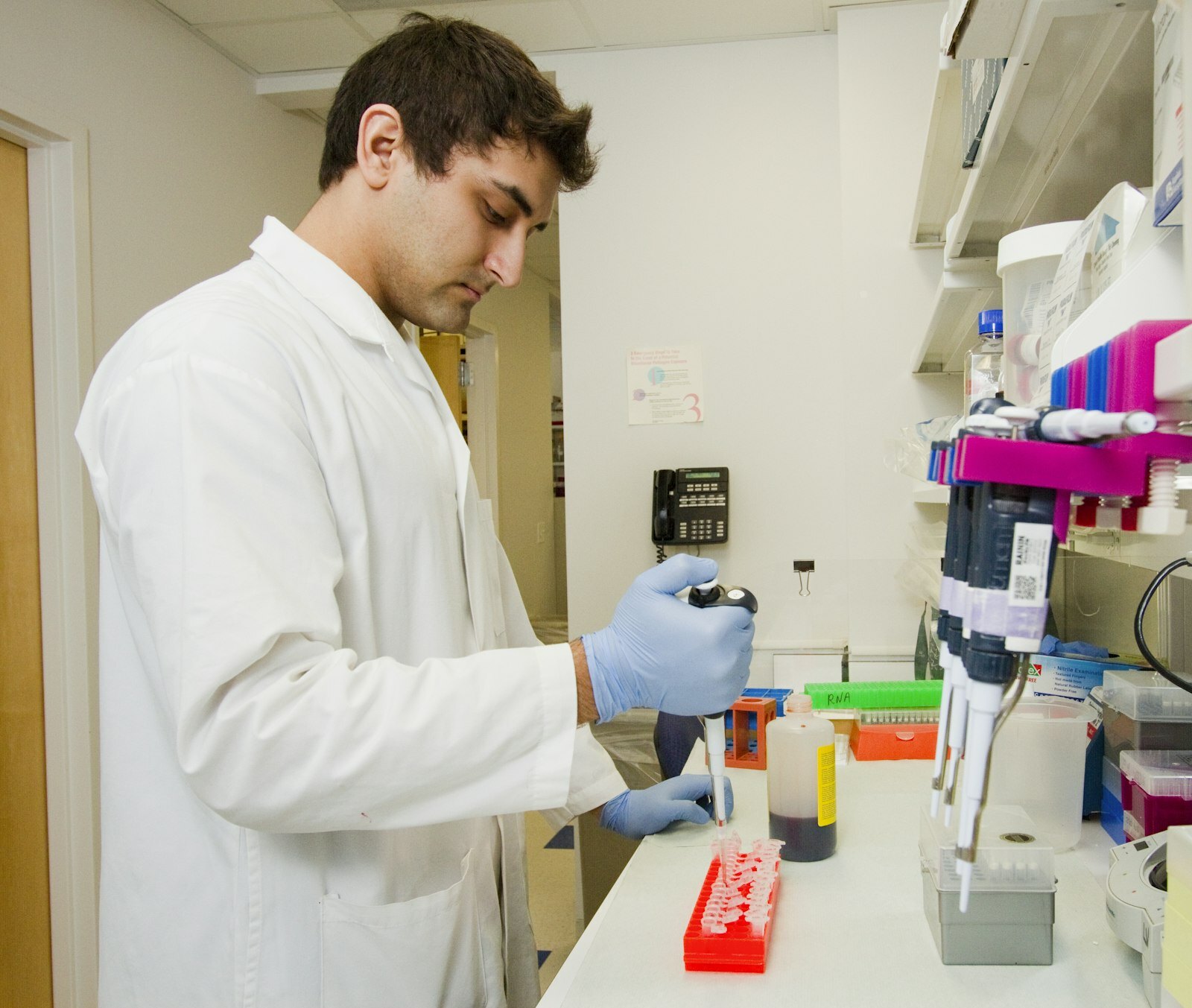
Before a new medicine reaches a pharmacy shelf it passes through a sequence of trials, each asking a different question, not just whether it works.
CRISPR made gene editing fast and cheap by cutting DNA at a chosen spot; base editing found a way to change a single genetic letter without cutting at all.
Turning a laboratory breakthrough into something you can buy involves a long, uncertain journey through funding, engineering and regulation that most new technologies never complete.
Synthetic biology treats living cells as programmable systems, and it is quietly moving from the laboratory into manufacturing, medicine and materials.