

Science
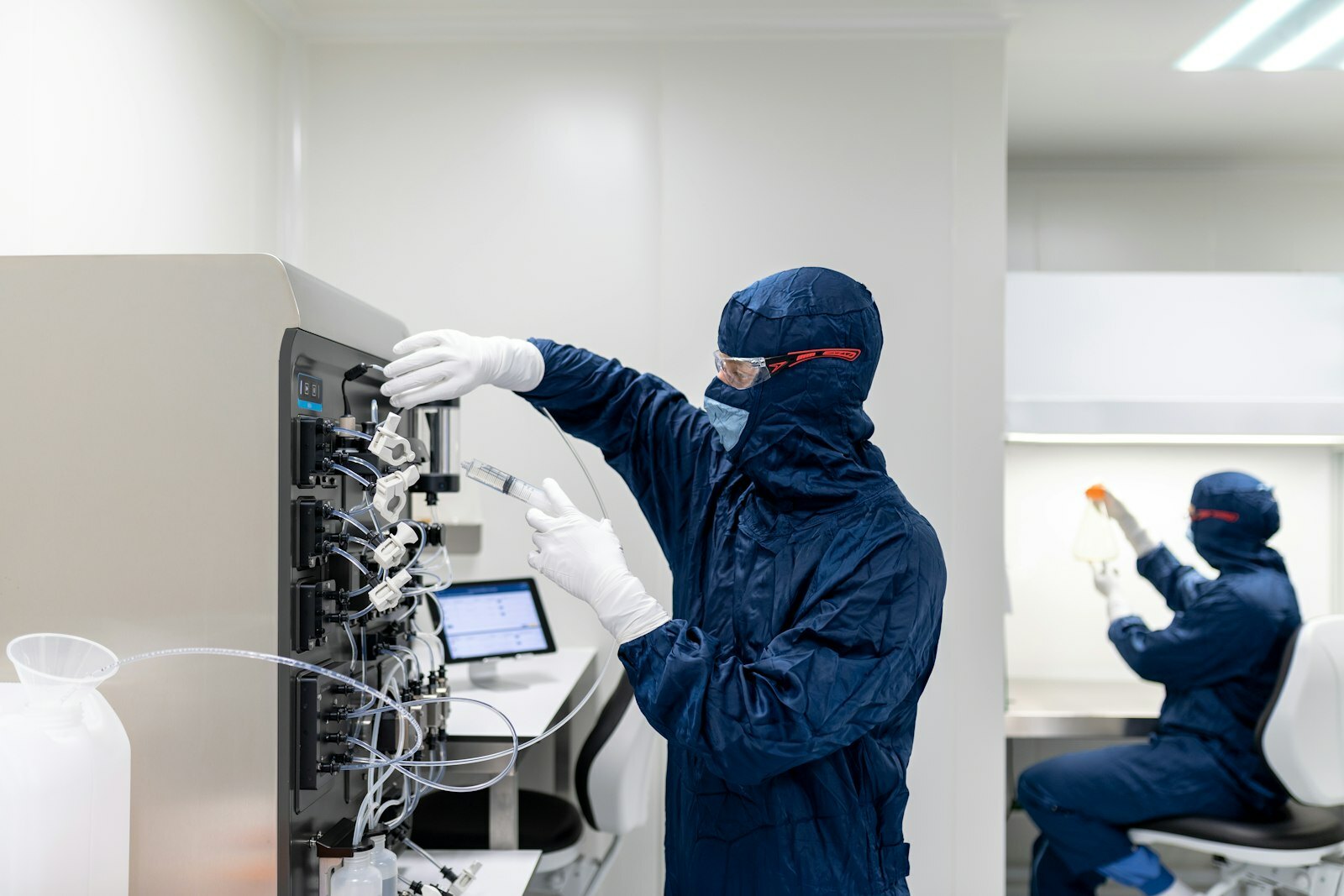
Why Most Drugs That Enter Clinical Trials Never Reach Patients
Only a small fraction of medicines that start human testing ever make it to a pharmacy shelf, and understanding why reveals what clinical trials are really designed to catch.
By Neoteric UK ·
 Innovation
 The Decision Point Before Any Spinout Exists: Inside the Tech Transfer Office
 Innovation
 Having a patent doesn't mean you can use your invention: freedom to operate explained
 AI
AI Overfitting, Validation and Knowing When to Stop Training a Neural Network
Across the newsroom
The latest from every beat AI
- Overfitting, Validation and Knowing When to Stop Training a Neural Network
- How AI models get small enough to run on your phone
- Why Keeping an AI's Knowledge Current Means Choosing Between Retrieval and Retraining
- How a Neural Network Is Actually Trained, Step by Step
Deep Tech
- Why a Speck of Dust Can Ruin a Computer Chip: The Economics of Yield
- Why Data Centres Are Moving Light Sources Onto the Chip Itself
- How photonic chips move data using light instead of electrons
- Inside a Semiconductor Fab: From Wafer to Die
Science
- Why Most Drugs That Enter Clinical Trials Never Reach Patients
- When Carbon Dating Won't Work: The Other Ways Scientists Date the Past
- How Carbon Dating Works, and Where Its Limits Are
- What a Clinical Trial Phase Actually Tests, at Each Stage
Energy & Climate
- Beyond Frequency Response: How Grid-Scale Batteries Stack Multiple Revenue Streams
- Small Modular Reactors vs Conventional Nuclear Plants: What Actually Changes
- Why Heat Pumps Work Below Freezing, and What the Coefficient of Performance Means
- How Grid-Scale Battery Storage Earns Money From Frequency Response
Innovation
- The Decision Point Before Any Spinout Exists: Inside the Tech Transfer Office
- Having a patent doesn't mean you can use your invention: freedom to operate explained
- Who Actually Owns a University Spinout? The Equity Story Behind the Science
- What a Patent Actually Protects, and What It Does Not