
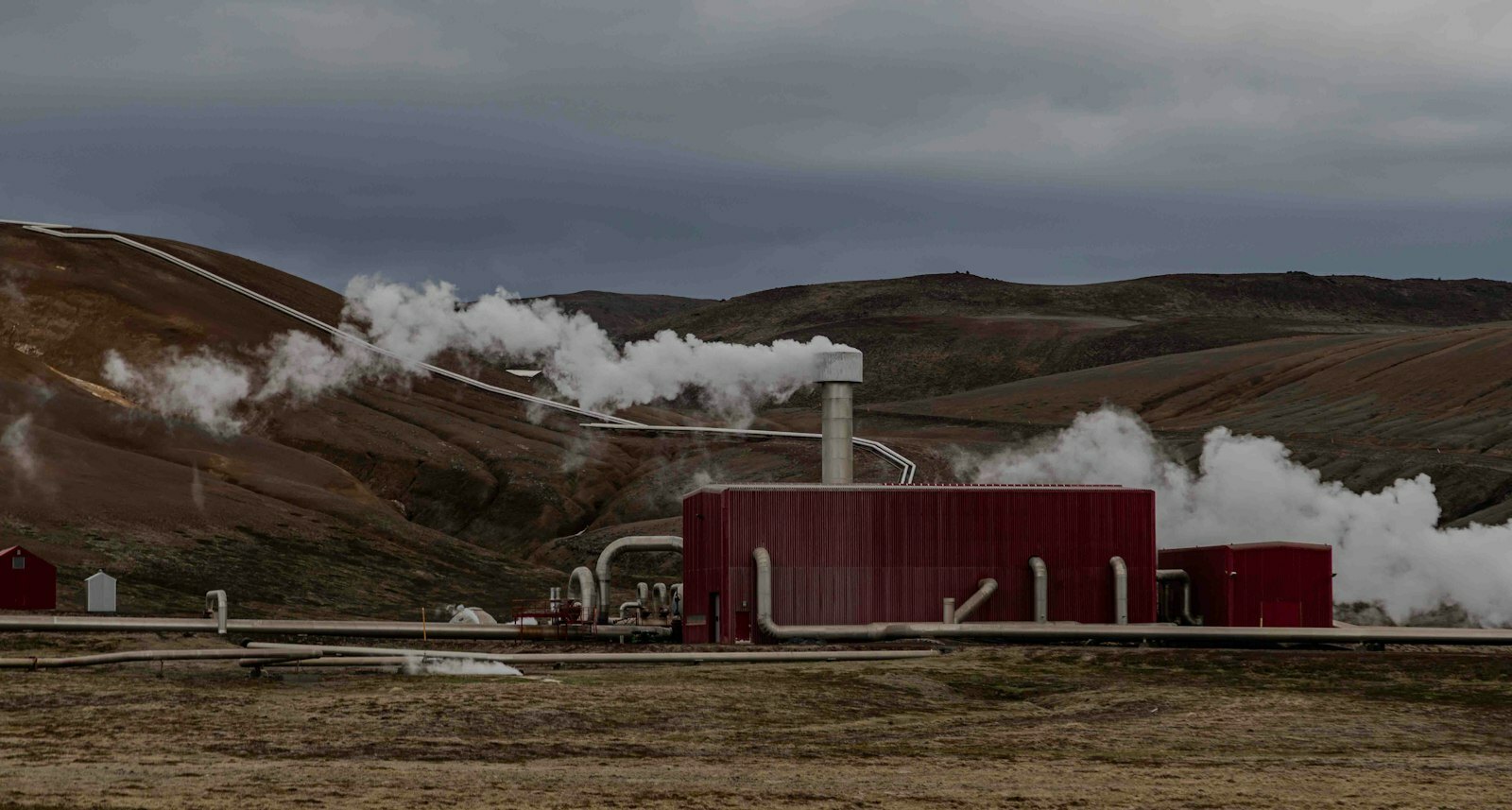
Beyond Frequency Response: How Grid-Scale Batteries Stack Multiple Revenue Streams
Frequency response is only one layer of income for a battery park; the real business case comes from switching between several markets in the same day.

Clean energy, climate tech and the technology decarbonising industry.
Frequency response is only one layer of income for a battery park; the real business case comes from switching between several markets in the same day.
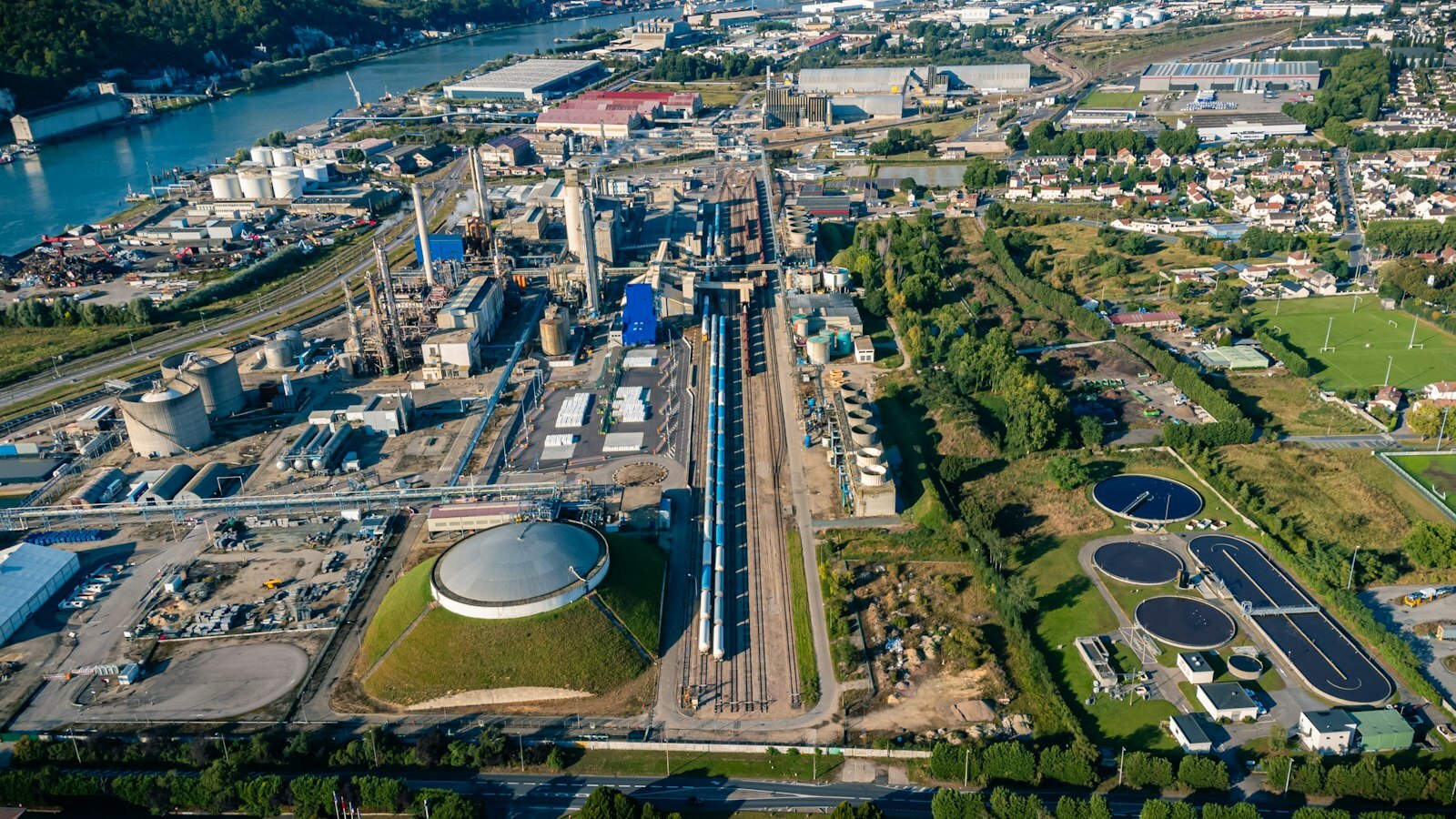
Beyond the smaller size, the real differences between SMRs and traditional nuclear stations lie in how they are built, cooled and regulated.
Heat pumps sound implausible in winter, but the physics is sound; here is how they pull warmth from cold air and how to read the efficiency number that matters most.
Big batteries do not just store energy for later, they get paid to keep the electricity grid's heartbeat steady, and understanding how reveals a lot about how modern power markets actually work.
Green hydrogen is often billed as a clean fuel for everything, but the energy losses involved in making and using it mean it will likely end up reserved for the jobs electricity cannot easily do.
As wind and solar supply more of Britain's electricity, storing energy for hours or days at a time is becoming as important as generating it in the first place.
Small modular reactors promise cheaper, faster nuclear power built in factories rather than on site, but the technology still has significant hurdles to clear before it can deliver on that promise.