


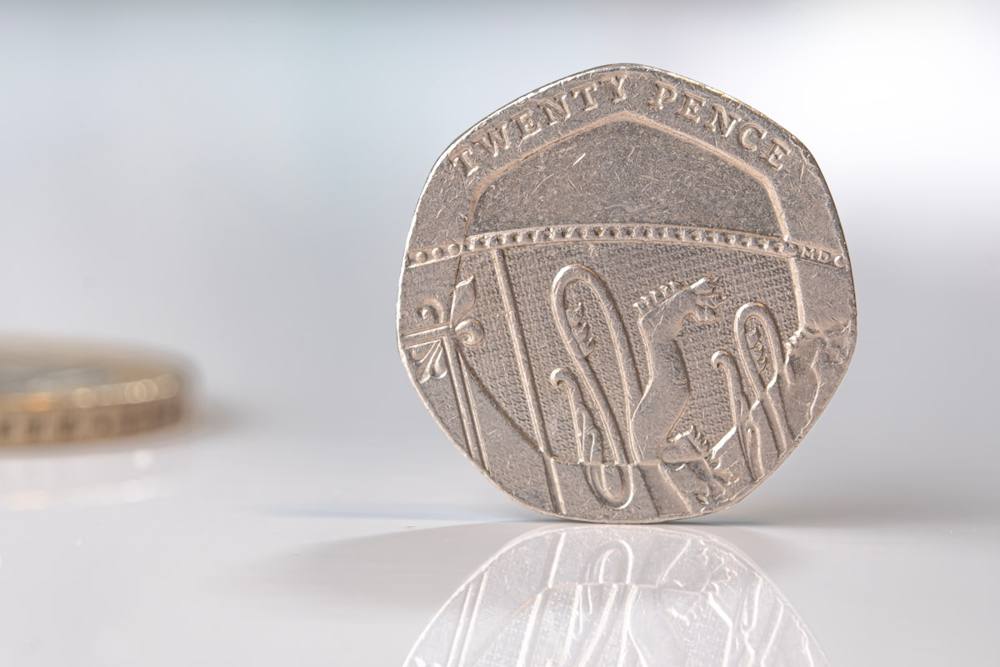
If you are wondering how to save money in the UK right now, the honest answer is that it comes down to a handful of habits done consistently rather than one clever trick. Saving money is less about deprivation and more about knowing where your cash actually goes, cutting the costs that do not serve you, and putting the difference somewhere it can grow. This guide walks through the practical steps that make the biggest difference, from budgeting basics to bills, banking and building a savings habit that sticks.
- Start with a simple budget that shows exactly what you earn and spend each month.
- Build a small emergency fund before focusing on other savings goals.
- Review recurring bills and subscriptions regularly, as loyalty rarely pays in the UK market.
- Automate transfers to savings so the habit does not depend on willpower.
- Use tax-efficient accounts such as ISAs where they suit your circumstances.
- Separate personal and business finances if you run a side hustle, as this makes saving far easier to track.
Start with a clear picture of your money
You cannot save money effectively if you do not know where it is going. The first step is to work out your actual income and outgoings over a typical month. This means listing everything: rent or mortgage, council tax, utilities, food shopping, transport, subscriptions, insurance, and the smaller, less predictable spending such as coffee, takeaways and impulse purchases.

Many people are surprised by how much leaks out through small, regular payments they have forgotten about. A budgeting app or even a simple spreadsheet can do this job, but the tool matters far less than the habit of checking it. Once you have a clear picture, you can see which categories are genuinely fixed and which have room to shrink.
It helps to separate needs from wants at this stage. Needs are the costs that keep a roof over your head and food on the table. Wants are everything else, and this is usually where the easiest savings are found without a significant drop in quality of life.
Build an emergency fund before anything else
Before you think about long-term savings goals or investing, it is worth setting aside a small buffer for unexpected costs, such as a boiler breaking down or a car repair. Without this, an unplanned expense often ends up on a credit card, which can undo months of careful saving through interest charges.
There is no single figure that suits everyone, but many people aim to build up enough to cover a few months of essential outgoings over time. It does not need to happen overnight. Starting with a modest, realistic amount and adding to it steadily is far more sustainable than trying to save a large sum in one go and giving up when it feels too hard.
Keep this fund somewhere accessible, such as an easy-access savings account, rather than tied up in something you cannot reach quickly if you need it.
Review your bills and subscriptions regularly
Household bills are one of the most reliable places to find savings, largely because many providers reward new customers more generously than existing ones. Energy, broadband, mobile contracts and insurance policies are all worth checking at renewal, and sometimes before, using comparison sites to see whether you could get a better deal elsewhere or negotiate with your current provider.
Subscriptions deserve particular attention. Streaming services, gym memberships, magazine subscriptions and app trials have a habit of quietly continuing long after you have stopped using them. Going through your bank statement once every few months and cancelling anything you no longer value is a quick way to free up money without changing your lifestyle in any meaningful way.
It is also worth checking whether you are on the right tariff or plan for how you actually use a service. Paying for a large data allowance you never use, or a premium subscription tier when a basic one would do, is money that could be going into savings instead.
Cut everyday costs without cutting out enjoyment
Saving money does not have to mean giving up everything you enjoy. Small, sensible changes to everyday spending can add up significantly over a year without feeling like a sacrifice.
Meal planning before a weekly shop reduces food waste and impulse buying. Buying supermarket own-brand products instead of well-known brands for staple items often makes little difference to quality but a noticeable difference to the bill. Batch cooking and freezing meals can also cut down on the temptation to order takeaways on busy evenings.
Transport is another area worth reviewing. Comparing the cost of driving against public transport for regular journeys, or looking into railcards and season tickets if you commute often, can lead to worthwhile savings. Even small habits, such as walking or cycling for short journeys instead of driving, reduce fuel and parking costs over time.
Here is a simple comparison of common areas where costs can often be trimmed without a significant change in lifestyle:
| Spending area | Common habit | Lower-cost alternative |
|---|---|---|
| Groceries | Branded products, unplanned shopping | Own-brand items, planned weekly shop with a list |
| Energy and broadband | Staying on the same tariff after a deal ends | Comparing deals at renewal, negotiating with your provider |
| Subscriptions | Multiple overlapping services | Regular audit, keeping only what you actually use |
| Transport | Driving for every journey | Public transport, railcards, walking or cycling where practical |
Make saving automatic
One of the most effective ways to save money consistently is to remove the decision-making from the process. Setting up a standing order to move a fixed amount into a savings account on the day you get paid means the money is put aside before you have a chance to spend it.
Many people find it easier to save when they treat savings like a regular bill rather than an optional extra at the end of the month. Even a modest, regular amount builds up meaningfully over a year, and it is far more sustainable than trying to save whatever happens to be left over, which for most households is very little.
If your income varies, such as if you are self-employed or work irregular hours, consider saving a percentage of each payment rather than a fixed sum. This keeps the habit going even when income fluctuates.
Use the right accounts for your goals
Where you keep your savings matters. An easy-access savings account is sensible for money you might need at short notice, such as an emergency fund. For money you do not expect to touch for a year or more, a fixed-rate savings account or a stocks and shares ISA may be worth considering, depending on your attitude to risk and how soon you might need the funds.
ISAs are particularly useful because they allow your savings or investments to grow without being subject to tax on the interest or gains, up to the annual allowance. It is worth reviewing your options each year, since interest rates and product terms change regularly across UK banks and building societies.
If you are running a side hustle or small business alongside your main income, keeping personal and business money separate makes it far easier to track what you are actually saving. A dedicated business bank account can simplify this, and if you are just starting out, understanding the process of opening a business account in the United Kingdom is a useful first step before your business income and personal savings become tangled together.
Think beyond cutting costs
Saving money is not only about spending less. Increasing your income, even modestly, can have a bigger impact than squeezing every last pound out of your existing budget, particularly if your outgoings are already fairly lean.
Side hustles, freelance work, selling unused items, or turning a hobby into a small income stream are all realistic ways to boost what you have available to save. Some well-known figures built significant wealth by starting small; the story behind Jamie Laingu2019s Candy Kittens success is a reminder that a side project, taken seriously, can grow into something far larger than expected.
It is also worth remembering that financial security is not always tied to how much someone earns. Even high earners can face financial struggles if spending is not managed carefully, as illustrated by accounts of Frankie Dettoriu2019s career earnings and financial struggles. The underlying lesson applies at any income level: consistent saving habits matter more than the size of your pay packet.
Frequently asked questions
How much should I save each month in the UK?
There is no fixed amount that suits everyone, as it depends on your income, essential outgoings and personal goals. A common approach is to start with whatever you can realistically afford, even a small amount, and increase it gradually as your budget allows. What matters most is consistency rather than the exact figure.
What is the easiest way to start saving money?
The easiest way to start is to set up an automatic transfer into a separate savings account on the day you are paid, so the money is set aside before you have the chance to spend it. Pairing this with a basic budget that tracks your income and outgoings makes it much easier to see where further savings might be possible.
Should I pay off debt or save money first?
In general, it is worth building a small emergency fund first, so an unexpected cost does not force you into further borrowing. After that, prioritising high-interest debt, such as credit cards, usually makes more financial sense than saving, since the interest charged on debt is often higher than the interest earned on savings.
Saving money in the UK does not require dramatic lifestyle changes or financial expertise. It comes from understanding your spending, trimming the costs that do not add value, automating good habits and choosing the right accounts for your goals. Start with one or two changes from this guide, build them into a routine, and the rest tends to follow naturally.
More from money on Neoteric UK.
